
Article Summary:
- Learn 10 practical methods that support healthy testosterone after age 30
- Discover how sleep quality directly impacts hormone production
- Understand which nutrients your body needs for testosterone synthesis
- Find out why stress management matters more than you think
- Get simple daily habits that boost testosterone without extreme changes
This guide is brought to you by Health Is Wealth™ professionals with years of experience in men’s health.
Why Your Testosterone Drops After 30
Your testosterone starts dropping around 1-2% every year after you hit 30. Most guys don’t notice it right away.
But by 35 or 40, you feel it. Less energy, weaker focus, slower recovery after workouts. Your body isn’t broken, it just needs better support.
The good news is that you can learn how to increase testosterone naturally without medications or risky treatments. Small changes in your daily routine make a real difference.
1. Fix Your Sleep Schedule First
Sleep is where your body makes most of its testosterone. If you’re getting 5-6 hours, you’re killing your hormone production.
Your body produces testosterone during deep sleep cycles. Less sleep means less production. It’s that simple.
Here’s what happens at different sleep amounts:
| Hours of Sleep | Testosterone Impact | What You Feel |
| 4-5 hours | Down 15% or more | Tired all day, no motivation |
| 6-7 hours | Down 5-10% | Decent energy, not optimal |
| 7-8 hours | Normal production | Good energy, better recovery |
| 9+ hours | No extra benefit | Same as 8 hours |
What to do:
- Go to bed at the same time every night
- Keep your room between 65-68°F
- Turn off all screens 60 minutes before bed
- Use blackout curtains
- Avoid caffeine after 2 PM
There are men who add 2 hours of quality sleep and feel like different people within a month because the energy comes back, mood improves, workouts get better.
2. Lift Heavy Weights Regularly
Your body makes testosterone when it needs strength. Sitting all day tells your body it doesn’t need much.
Resistance training sends the opposite signal. When you lift heavy, your body responds by producing more testosterone to handle the demand.
Best exercises for testosterone:
- Squats
- Deadlifts
- Bench press
- Rows
- Overhead press
You don’t need a fancy gym. Bodyweight exercises work too if you make them hard enough. The key is intensity, not equipment.
Train 3-4 times per week. More isn’t better because overtraining raises cortisol and lowers testosterone. Recovery days matter just as much as training days.
For more details on building strength, check out our article on best exercises for testosterone.
3. Get Serious About Stress Management
Stress destroys testosterone faster than almost anything else. When cortisol stays high, testosterone production shuts down.
Your body can’t tell the difference between a work deadline and actual danger. Chronic stress keeps you in survival mode where testosterone isn’t a priority.
| Stress Level | Cortisol Impact | Testosterone Result |
| Low daily stress | Normal cortisol rhythm | Healthy production |
| Moderate stress | Slightly elevated | 5-10% reduction |
| Chronic high stress | Always elevated | 15-25% reduction |
Simple stress fixes:
- Take 5-minute breaks every 90 minutes
- Practice breathing exercises (4 seconds in, 6 seconds out)
- Spend time outside daily
- Set work boundaries after hours
- Limit news and social media
We recommend starting with just one stress practice. Pick the easiest one and do it daily for two weeks and then add another.
4. Eat Enough Protein and Healthy Fats
Your body needs building blocks to make testosterone. Protein provides amino acids. Fats provide cholesterol (yes, you need it for hormones).
Most guys over 30 don’t eat enough of either. They’re trying to stay lean and accidentally starve their hormone production.
Daily targets:
- Protein: 0.8-1 gram per pound of body weight
- Fats: 25-35% of total calories
- Focus on whole foods, not supplements
Good protein sources include meat, fish, eggs, and dairy. Good fat sources include eggs, fatty fish, olive oil, avocados, and nuts.
Avoid seed oils (canola, soybean, corn oil). They increase inflammation, which messes with hormone production.
If you want to learn more about nutrition, here are some foods to increase testosterone.
5. Get These Essential Vitamins and Minerals
Three nutrients matter most for testosterone: zinc, vitamin D, and magnesium. Most men are low in at least one.
Zinc directly participates in testosterone synthesis. Vitamin D acts like a hormone regulator. Magnesium helps testosterone move freely in your blood instead of getting bound up.
| Nutrient | Daily Amount | Why It Matters |
| Zinc | 15-30mg | Direct testosterone production |
| Vitamin D | 2000-5000 IU | Hormone regulation |
| Magnesium | 400-500mg | Reduces binding proteins |
You can get these from food, but most need supplements to hit optimal levels. Quality matters—cheap supplements use forms your body can’t absorb well.
Products from Health Is Wealth™ use better forms that actually work. They combine these nutrients with proper ratios so they work together.
6. Build a Morning Routine That Supports Hormones
Your body makes the most testosterone between 6 AM and 10 AM and your morning routine either supports this or wastes it.
Start your day right and everything else gets easier. But if you mess up your morning… you’re fighting an uphill battle all day.
Simple morning routine:
- Wake up at the same time daily
- Get 15-20 minutes of sunlight within 30 minutes of waking
- Eat 20-30 grams of protein for breakfast
- Move your body for 10 minutes
- Avoid your phone for the first 30 minutes
This routine takes maybe 45 minutes total. But it sets up your hormone production for the entire day.
When you want more energy strategies throughout your day, read about how to increase stamina.
7. Cut Back on Alcohol
Alcohol directly lowers testosterone. Even moderate drinking affects production for 24-48 hours after you drink.
We are not saying “don’t dare to touch drinks ever in your life”. But if you’re serious about supporting your testosterone, limit it to 2-3 drinks per week maximum.
Beer is particularly bad because hops contain compounds that mimic estrogen. If you drink, stick to clear spirits or red wine in small amounts.
8. Lose Excess Body Fat
Fat cells convert testosterone into estrogen. The more body fat you carry, the more testosterone you lose through conversion.
Men over 30 often carry extra fat around their midsection. This belly fat is metabolically active and particularly bad for hormones.
Body fat and testosterone:
| Body Fat % | Testosterone Impact |
| Under 15% | Optimal production |
| 15-20% | Good production |
| 20-25% | Moderate reduction |
| Over 25% | Significant reduction |
You don’t need to get shredded. Just getting from 25% to 18% body fat makes a noticeable difference in how you feel.
Focus on sustainable fat loss through better food choices and consistent movement. Crash diets raise cortisol and make things worse.
9. Try Strategic Supplementation
The right supplements fill gaps your diet can’t always cover. They support your body’s natural production instead of replacing it.
From our experience, most men benefit from a few key supplements:
- Zinc and magnesium combo
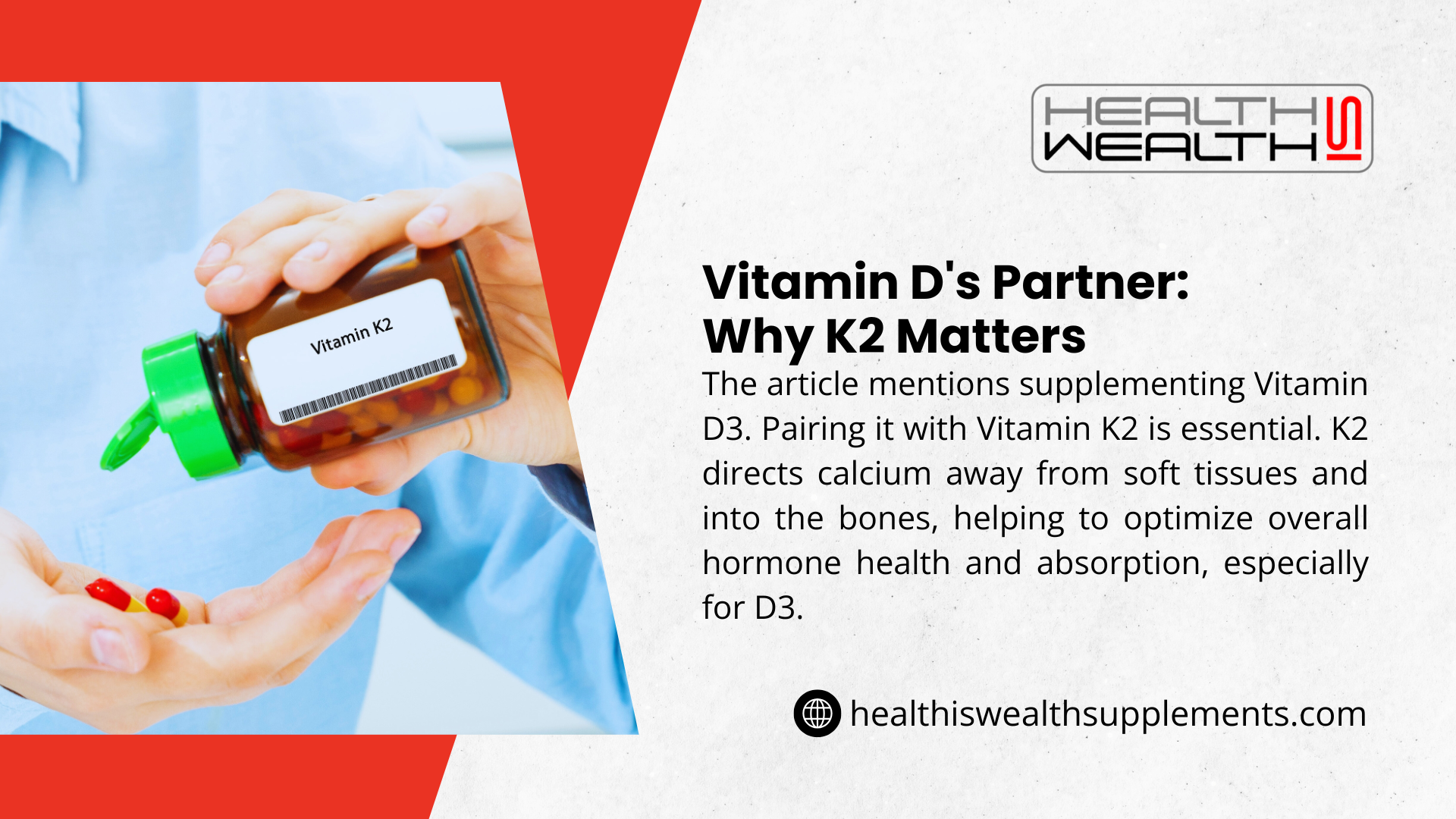
- Vitamin D3 with K2
- Adaptogens for stress support
- Traditional herbs for male vitality
Avoid products with outrageous claims or proprietary blends where you can’t see the actual doses. Good supplements are transparent about what’s inside.
If you’re also dealing with related concerns, our guide on how to increase male libido covers additional strategies.
10. Consider Intermittent Fasting (Carefully)
Short-term fasting can boost testosterone by improving insulin sensitivity and promoting fat loss. But long-term calorie restriction does the opposite.
A simple approach is skipping breakfast a few days per week. This gives you a 14-16 hour fast from dinner to lunch.
Fasting guidelines for testosterone:
- Fast 2-3 days per week maximum
- Don’t fast on training days
- Break your fast with protein and fats
- Never combine fasting with low calories long-term
How Long Before You See Results?
Most guys notice better sleep and more energy within 2-3 weeks. Mental clarity improves around week 4-6.
Physical changes like strength gains and body composition take 8-12 weeks of consistent work. This timeline frustrates some people, but it’s realistic.
Natural methods work if you stick with them. The men who succeed focus on building habits instead of looking for shortcuts.
When to Get Your Levels Checked
If you’re doing everything right and still feel terrible after 3-4 months, get blood work done. Sometimes there’s an underlying medical issue.
Ask your doctor for a full hormone panel, not just total testosterone. Free testosterone, estradiol, and SHBG matter too.
Normal lab ranges are wide. A level of 400 ng/dL might be “normal” but you’ll feel much better at 600 ng/dL if that’s achievable naturally.
Your Action Plan
You don’t need to do everything at once. Start with the methods that give you the biggest return:
- Week 1-2: Fix sleep and start a morning routine
- Week 3-4: Add resistance training
- Week 5-6: Optimize nutrition and consider supplements
- Week 7-8: Add stress management practices
Track how you feel weekly. Energy levels, sleep quality, workout performance, and mood matter more than any number on a blood test.
Frequently Asked Questions About How to Increase Testosterone Naturally
How Quickly Can You Increase Testosterone Naturally?
You’ll notice improvements in energy and sleep within 2-3 weeks. Measurable testosterone increases show up on blood tests after 8-12 weeks of consistent lifestyle changes. Natural methods work but require patience compared to medications.
What’s The Fastest Natural Way To Boost Testosterone?
Improving sleep quality gives the fastest results. Your body makes most of its testosterone during deep sleep. Fixing your sleep schedule for just two weeks can noticeably improve energy and focus. Add resistance training for the second-fastest boost.
Can You Double Your Testosterone Naturally?
Doubling testosterone is unrealistic without medical treatment. But you can improve levels by 20-30% through lifestyle changes if you’re starting from a lower baseline. Going from 400 to 520 ng/dL makes a huge difference in how you feel even though it’s not a doubling.
Does Losing Weight Increase Testosterone?
Yes, especially if you’re carrying excess body fat. Fat cells convert testosterone into estrogen. Losing 20-30 pounds can increase testosterone by 15-25% in men who are overweight. The fat loss needs to be gradual—crash diets raise cortisol and hurt testosterone.
What Foods Kill Testosterone?
Soy products, alcohol, and seed oils (canola, soybean, corn oil) all negatively impact testosterone. Processed foods high in sugar cause insulin spikes that lower production over time. Focus on whole foods—meat, fish, eggs, vegetables, and healthy fats.
Final Thoughts
Supporting healthy testosterone after 30 doesn’t require complicated protocols or extreme measures. The basics work best when you actually do them consistently.
Your body wants to maintain good hormone levels. It just needs the right signals through sleep, movement, nutrition, and stress management. Start with one or two changes this week and build from there.
