
Article Summary:
- Discover why stamina drops after 30 and what you can actually do about it
- Learn the connection between cardiovascular health and daily energy levels
- Find out which nutrients your body needs to maintain endurance
- Get practical methods to build stamina without spending hours in the gym
- Understand how recovery affects your ability to perform consistently
This guide is written by Health Is Wealth™ professionals who work with men’s health daily.
1. Build Your Aerobic Base First
If you’re wondering how to increase stamina without spending hours in the gym, focusing on aerobic base training is a great start.
Most guys over 30 skip cardio completely. They think lifting weights is enough but the truth is, it’s not.
Aerobic fitness determines how efficiently your body delivers oxygen to your muscles and brain. Better oxygen delivery means better stamina.
| Activity Type | Weekly Frequency | Duration | Stamina Benefit |
| Walking (moderate pace) | 5-7 days | 30-45 minutes | Builds base endurance |
| Jogging/Running | 3-4 days | 20-30 minutes | Improves oxygen efficiency |
| Cycling | 3-4 days | 30-40 minutes | Low-impact cardio boost |
| Swimming | 2-3 days | 25-35 minutes | Full-body stamina builder |
Start with what you can actually do. If you’re out of shape, walking 20 minutes daily beats doing nothing. Add intensity gradually over weeks, not days.
Your heart rate during these sessions should allow conversation but make it slightly difficult. That’s the sweet spot for building aerobic capacity.
For more on supporting your body’s energy systems naturally, check out how to increase testosterone naturally.
2. Stop Skipping Strength Training
Muscle mass directly affects stamina. When your muscles are weak, every task becomes harder and drains more energy.
Strong muscles use oxygen more efficiently. They also support your joints better, which prevents fatigue from poor movement patterns.
You don’t need to become a bodybuilder. Basic strength training 2-3 times per week makes a real difference.
Best exercises for stamina:
- Squats (legs and core)
- Push-ups (chest and arms)
- Rows (back strength)
- Planks (core stability)
- Lunges (leg endurance)
Do 3 sets of 8-12 reps for each exercise. Focus on form, not speed. Rest 60-90 seconds between sets.
The strength you build carries over into everything else. Stairs get easier. Yard work doesn’t kill you. Your body just works better.

3. Fix Your Sleep or Nothing Else Matters
You can’t out-train bad sleep. Your body repairs itself and builds energy reserves while you’re sleeping.
Most guys over 30 are running for 5-6 hours. That’s not enough for proper recovery. Your stamina tanks because your body never fully recovers from yesterday.
| Hours of Sleep | Recovery Quality | Next-Day Stamina |
| 4-5 hours | Poor recovery | Terrible – constant fatigue |
| 6 hours | Partial recovery | Below average energy |
| 7-8 hours | Good recovery | Normal stamina levels |
| 8-9 hours | Optimal recovery | Best performance possible |
What actually helps:
- Same bedtime every night (even weekends)
- Room temperature between 65-68°F
- No screens 60 minutes before bed
- Blackout curtains or eye mask
- No caffeine after 2 PM
Your body follows patterns. Consistent sleep timing matters more than occasionally sleeping in on weekends.
Better sleep affects everything – your workouts improve, mental focus sharpens, and you stop hitting that wall mid-afternoon.
4. Eat to Support Energy Production
Your body needs fuel. Eating the wrong foods at the wrong times destroys stamina faster than almost anything else.
Processed carbs and sugar create energy spikes followed by crashes. You feel great for 30 minutes, then you’re dead for two hours.
What to eat for sustained energy:
- Lean proteins (chicken, fish, eggs)
- Complex carbs (sweet potatoes, oats, rice)
- Healthy fats (avocados, nuts, olive oil)
- Vegetables (for vitamins and fiber)
- Fruits (for quick energy without crashes)
Timing matters too:
| Meal Timing | What to Eat | Why It Helps |
| Breakfast | Protein + complex carbs | Stable energy all morning |
| Pre-workout (1-2 hours before) | Carbs + small protein | Fuels performance |
| Post-workout (within 1 hour) | Protein + carbs | Speeds recovery |
| Dinner | Protein + vegetables | Repairs muscles overnight |
Avoid eating huge meals right before physical activity. Your body redirects blood flow to digestion, which kills performance.
Stay hydrated throughout the day. Even mild dehydration (2% body weight) reduces stamina by 10-15%.
If you want more details on nutrition for performance, read about foods to increase testosterone.
5. Control Stress Before It Controls You
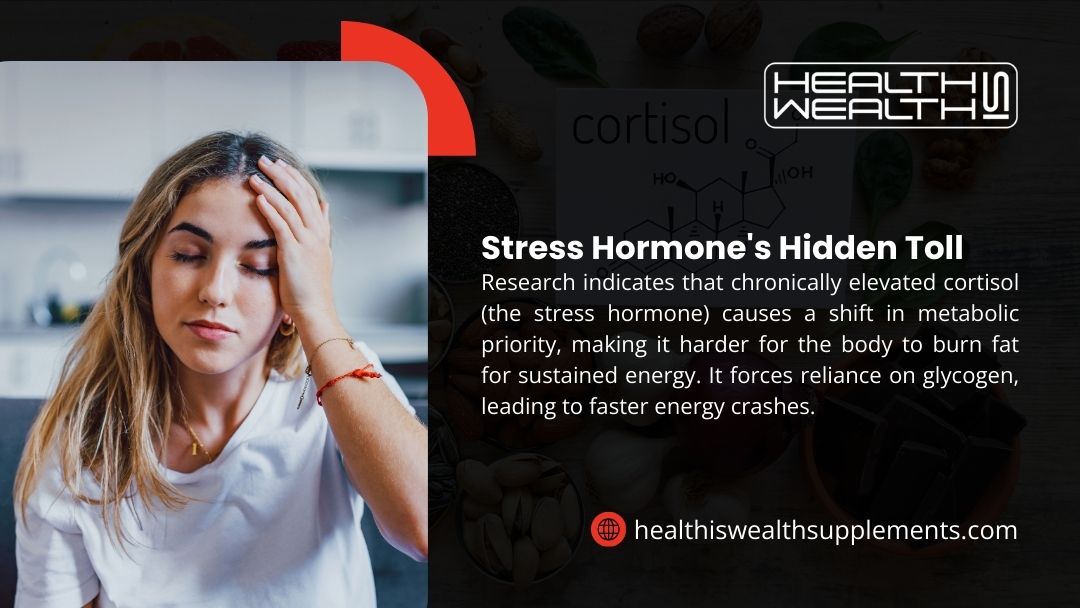
Chronic stress destroys stamina through multiple pathways. It disrupts sleep, raises cortisol, and keeps your nervous system in overdrive.
When cortisol stays elevated, your body prioritizes survival over performance. Energy production shifts away from building stamina.
| Stress Level | Cortisol Impact | Stamina Effect |
| Low daily stress | Normal cortisol patterns | Good stamina maintenance |
| Moderate stress | Slightly elevated | 10-15% stamina reduction |
| Chronic high stress | Always elevated | 25-40% stamina loss |
Simple stress management that works:
- Take 5-minute breaks every 90 minutes during work
- Practice box breathing (4 seconds in, 4 hold, 4 out, 4 hold)
- Spend time outside daily
- Set boundaries around work hours
- Limit news and social media consumption
You don’t need meditation apps or yoga classes (though those help if you like them). Just giving your nervous system regular breaks throughout the day makes a difference.
Guys who manage stress better recover faster from workouts and maintain higher energy levels throughout the week.
6. Try Interval Training for Faster Results
Once you have a basic fitness foundation, interval training builds stamina faster than steady-state cardio alone.
Intervals push your body to adapt to varying intensity levels. This translates directly into better real-world stamina.
Basic interval structure:
- Warm up for 5 minutes at easy pace
- Go hard for 30-60 seconds (about 80-85% effort)
- Recover at easy pace for 90-120 seconds
- Repeat 6-10 times
- Cool down for 5 minutes
You can do intervals with running, cycling, rowing, or even bodyweight exercises like burpees.
Start with just 4-6 intervals if you’re new to this style of training. Add more as your fitness improves over several weeks.
The beauty of intervals is efficiency. A 25-minute interval session can give you better stamina improvements than 45 minutes of steady jogging.
Do interval work 1-2 times per week maximum. Your body needs recovery time between these harder sessions.
7. Support Your Body With the Right Supplements
Good nutrition comes first. Supplements fill gaps, they don’t replace food.
Most men over 30 are deficient in at least a few key nutrients that directly affect stamina and energy production.
| Nutrient | Daily Amount | How It Helps Stamina |
| Iron | 8-18mg | Carries oxygen in blood |
| B-Vitamins Complex | Varies by type | Energy metabolism |
| Magnesium | 400-500mg | Muscle function and recovery |
| Vitamin D | 2000-4000 IU | Reduces fatigue |
| Omega-3 Fatty Acids | 1000-2000mg | Reduces inflammation |
Brands like Health Is Wealth Supplements™ combine these nutrients in proper ratios that your body can actually absorb and use.
Cheap supplements often use forms that pass through your system without getting absorbed. Quality matters more than price when it comes to supplementation.
Creatine monohydrate (5g daily) also helps with both strength and stamina. It’s one of the most researched supplements available and works for most people.
Adaptogenic herbs like ashwagandha and rhodiola help your body handle physical and mental stress better. This indirectly supports stamina by improving recovery.
If low energy is paired with other symptoms, our guide on how to increase male libido covers additional support strategies.
8. Plan Recovery Into Your Week
You don’t build stamina during workouts. You build it during recovery when your body adapts to the stress you placed on it.
Guys who train hard every single day without recovery actually lose stamina over time. Their bodies never fully repair and adapt.
| Recovery Method | Frequency | Primary Benefit |
| Complete rest day | 1-2 per week | Full system recovery |
| Active recovery (easy walking) | 1-2 per week | Blood flow without stress |
| Stretching/mobility work | Daily (10-15 min) | Prevents injury |
| Massage or foam rolling | 2-3 times per week | Reduces muscle tension |
| Sleep 7-8 hours | Every night | Complete body repair |
Active recovery days should feel easy. If you’re working hard on a “recovery day,” you’re doing it wrong.
Your nervous system needs rest as much as your muscles do. Mental fatigue translates into physical fatigue and killed stamina.
Listen to your body. If you’re constantly exhausted, sore, or getting weaker instead of stronger, you need more recovery time.
9. Build Consistency Over Intensity
The guys who succeed at building stamina do simple things consistently for months. The guys who fail go hard for two weeks then quit.
Your body adapts to regular, repeated stimuli. Random intense workouts followed by weeks of nothing produces zero results.
| Training Approach | Short-term Results | Long-term Results |
| Intense but inconsistent | Temporary boost | No lasting improvement |
| Moderate and consistent | Gradual improvement | Sustained stamina gains |
| Progressive and consistent | Steady improvement | Best long-term results |
Start with what you can maintain 4-5 days per week. That might be just 20-minute walks right now. That’s fine.
After 2-3 weeks of consistency, add a little more – walk 25 minutes, or add one strength training session. Keep building gradually.
Most guys try to do too much too fast. They burn out mentally before their body even has a chance to adapt.
The goal is to still be doing this six months from now, not to crush yourself this week then quit.
When you want more strategies for sustained energy throughout your day, check out our article on best herbs for memory and focus.
Why Does Stamina Disappear After 30?
Most guys hit 30 and notice something’s off. You get tired faster. That afternoon slump hits harder. Playing with your kids wears you out.
Your body isn’t giving up on you. It’s just responding to years of accumulated stress, poor sleep, and sitting too much.
Stamina isn’t just about running marathons. It’s about having enough energy to get through your day without crashing. It’s being able to focus during that 3 PM meeting. It’s not being completely drained after a workout.
The good news is you can learn how to increase stamina through simple changes that fit into your actual life. No extreme training programs needed.
How Long Until You Notice Results?
Most guys feel better energy levels within 2-3 weeks of consistent effort. Physical stamina improvements show up around week 4-6.
Real, measurable stamina gains (like running farther or working longer without fatigue) take 8-12 weeks of steady work.
| Timeline | What You’ll Notice |
| Week 1-2 | Better sleep, slightly more energy |
| Week 3-4 | Improved mood, less afternoon crashes |
| Week 5-8 | Noticeable stamina improvements in daily tasks |
| Week 9-12 | Clear performance gains, sustained energy all day |
This frustrates people who want instant results. But natural methods take time to produce lasting changes.
The men who stick with it for three months almost always see real improvements. The ones who quit after two weeks never know what they could have achieved.
