
Article Summary:
- Discover the best foods to increase testosterone naturally after age 30
- Learn which specific nutrients your body needs for hormone production
- Understand why certain foods destroy your testosterone levels
- Get practical meal ideas that support healthy hormone balance
- Find out how cooking methods affect testosterone-boosting nutrients
This guide is brought to you by Health Is Wealth™ professionals with years of experience in men’s health.
Why Diet Matters for Testosterone Production
Your body can’t make testosterone without the right raw materials. Food provides those materials.
Most guys over 30 eat foods that actively work against their hormone production. They don’t know which foods help and which ones hurt.
The right foods to increase testosterone give your body what it needs: quality proteins, healthy fats, and specific vitamins. The wrong foods create inflammation and mess with your hormones.
The Key Nutrients That Help Boost Testosterone
Before we get into specific foods, you need to know what nutrients matter most. Your body uses these to build testosterone molecules.
Key nutrients for testosterone:
- Zinc (directly involved in synthesis)
- Vitamin D (hormone regulator)
- Magnesium (reduces binding proteins)
- Healthy fats (cholesterol for hormone building)
- Protein (amino acids for production)
Every food on this list contains at least one of these nutrients in meaningful amounts. Some contain several.
Best Protein Sources for Hormone Production
Protein gives your body the amino acids it needs to build testosterone. But not all protein sources work the same way.
Animal proteins come with other nutrients that support hormones. Plant proteins often lack these extras.
| Protein Source | Testosterone Support | Other Benefits |
| Red meat | High (zinc, B12, creatine) | Builds muscle mass |
| Eggs | High (cholesterol, vitamin D) | Complete amino acids |
| Fatty fish | High (omega-3, vitamin D) | Reduces inflammation |
| Chicken breast | Moderate (protein only) | Lean protein source |
| Greek yogurt | Moderate (protein, probiotics) | Gut health support |
Daily protein targets:
- Eat 0.8-1 gram per pound of body weight
- Include animal sources at most meals
- Don’t rely only on protein powder
Red meat gets a bad reputation, but it’s one of the best foods to increase testosterone. It contains zinc, B vitamins, and creatine—all supporting hormone production.
Eggs are nearly perfect. The cholesterol in egg yolks is exactly what your body uses to make testosterone. Don’t throw away the yolks.
Healthy Fats Your Body Needs
Your body makes testosterone from cholesterol. Without enough fat in your diet, production suffers.
Most guys over 30 eat too many bad fats and not enough good ones. Seed oils cause inflammation. Healthy fats support hormones.
Best fat sources:
- Avocados
- Olive oil (extra virgin)
- Fatty fish (salmon, mackerel, sardines)
- Nuts (almonds, walnuts, Brazil nuts)
- Full-fat dairy
Fats to avoid:
- Canola oil
- Soybean oil
- Corn oil
- Margarine
- Anything that says “hydrogenated”
Aim for 25-35% of your daily calories from healthy fats. This might seem high if you’ve been following low-fat diet advice, but your hormones need it.
Vegetables That Support Testosterone
Vegetables don’t directly provide testosterone, but they remove things that block it. They reduce estrogen, lower inflammation, and provide antioxidants.
Cruciferous vegetables are particularly good foods to increase testosterone because they help your body clear excess estrogen.
| Vegetable Type | How It Helps | Best Choices |
| Cruciferous | Removes excess estrogen | Broccoli, cauliflower, cabbage |
| Leafy greens | Magnesium and nutrients | Spinach, kale, Swiss chard |
| Alliums | Reduces cortisol | Garlic, onions, leeks |
| Root vegetables | Stable energy | Sweet potatoes, carrots |
How to eat them:
- Fill half your plate at each meal
- Eat a variety of colors
- Don’t overcook (destroys nutrients)
- Add healthy fats to help absorption
Garlic and onions deserve special mention. They contain compounds that lower cortisol while supporting testosterone production.
Fruits That Help Hormone Balance
Most fruits are fine in moderation, but a few stand out as particularly good foods to increase testosterone.
Top fruit choices:
- Pomegranates (shown to boost testosterone in studies)
- Berries (antioxidants reduce oxidative stress)
- Bananas (bromelain enzyme supports production)
- Grapes (resveratrol protects testosterone)
- Citrus fruits (vitamin C lowers cortisol)
Keep fruit portions reasonable. Too much sugar, even from fruit, can cause insulin spikes that hurt testosterone production.
Pomegranates show the most direct benefit in research. Men who drank pomegranate juice daily saw testosterone increases after just two weeks.
Specific Foods High in Key Minerals
Three minerals matter most: zinc, magnesium, and selenium. These foods to increase testosterone are loaded with them.
Zinc-rich foods:
- Oysters (highest zinc content of any food)
- Red meat
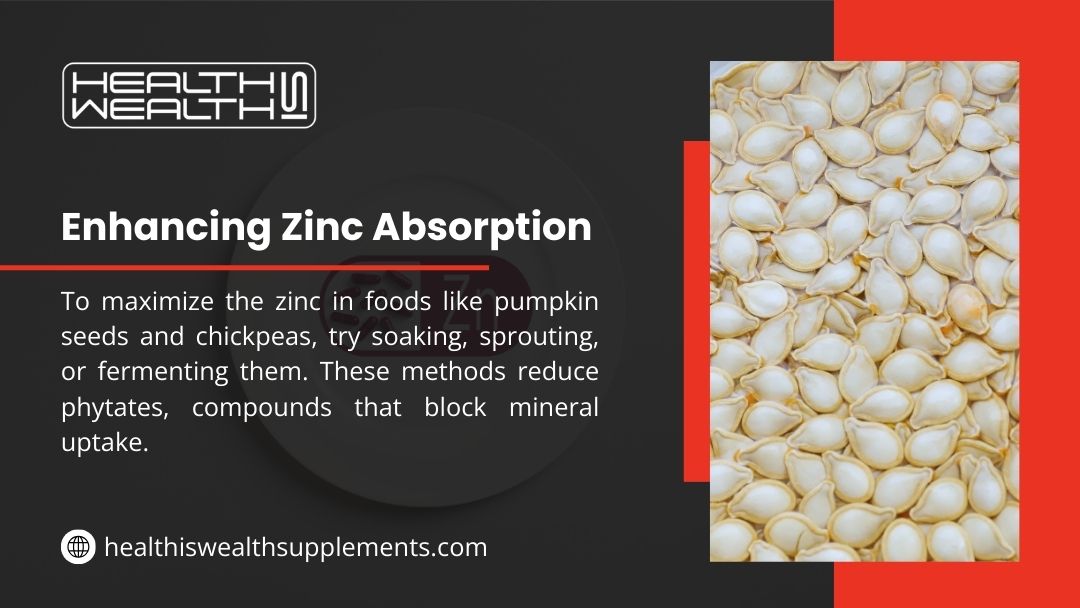
- Pumpkin seeds
- Chickpeas
- Cashews
Magnesium-rich foods:
- Dark chocolate (85% cacao or higher)
- Spinach
- Almonds
- Black beans
- Avocados
Selenium-rich foods:
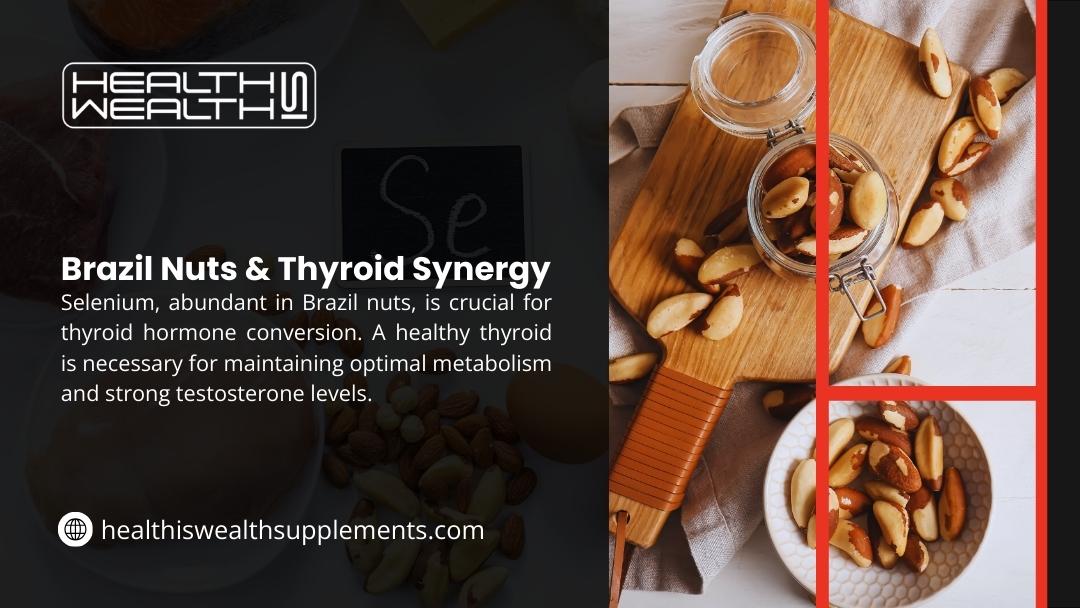
- Brazil nuts (just 2-3 per day)
- Tuna
- Halibut
- Sardines
- Eggs
Oysters contain more zinc than any other food. Six oysters give you more than 300% of your daily zinc needs. That’s why they have a reputation as an aphrodisiac—they actually support hormone production.
Brazil nuts are powerful for selenium. But don’t eat more than 3-4 per day. Too much selenium causes problems.
For more complete hormone support strategies, check out our guide on how to increase testosterone naturally.
Foods That Destroy Your Testosterone
Some foods actively lower testosterone production. Avoiding these matters as much as eating the right ones.
| Food Type | Why It’s Bad | Common Sources |
| Soy products | Phytoestrogens mimic estrogen | Soy milk, tofu, edamame |
| Processed foods | Trans fats and inflammation | Packaged snacks, fast food |
| High-sugar foods | Insulin spikes lower testosterone | Candy, soda, pastries |
| Alcohol | Directly suppresses production | Beer especially bad |
| Flaxseed | Contains lignans that raise estrogen | Flax milk, flaxseed oil |
Foods to minimize or avoid:
- Soy products of all types
- Beer (hops are estrogenic)
- Mint (shown to lower testosterone)
- Licorice root
- Anything with added sugar
Beer deserves special attention. The hops in beer contain compounds that mimic estrogen. If you drink, stick to wine or clear spirits instead.
Sample Meal Plan for Testosterone Support
Here’s what a day of eating foods to increase testosterone looks like in practice.
Breakfast:
- 3-4 whole eggs cooked in butter or olive oil
- Spinach or other greens
- Avocado slices
- Black coffee (caffeine supports testosterone in moderation)
Lunch:
- Grass-fed beef or wild-caught salmon
- Large salad with olive oil dressing
- Sweet potato
- Handful of nuts
Dinner:
- Chicken or lean red meat
- Broccoli or cauliflower
- Brown rice or quinoa
- Garlic and onions for flavor
Snacks:
- Greek yogurt
- Berries
- 2-3 Brazil nuts
- Dark chocolate (85% or higher)
This plan hits all the key nutrients your body needs. Adjust portions based on your size and activity level.
How Cooking Methods Affect Nutrients
The way you cook foods to increase testosterone matters. Some methods preserve nutrients while others destroy them.
Best cooking methods:
- Light steaming for vegetables
- Grilling or baking for meats
- Raw when possible for nuts and seeds
- Low-temperature cooking preserves more nutrients
Methods to avoid:
- Deep frying in seed oils
- Microwaving in plastic containers
- Overcooking vegetables until mushy
- Charring meat at very high temperatures
When you cook meat, don’t burn it. Charred meat creates compounds that increase inflammation and can interfere with hormone production.
Timing Your Meals for Hormone Health
When you eat matters almost as much as what you eat. Meal timing affects insulin, cortisol, and ultimately testosterone.
Timing strategies:
- Eat protein within an hour of waking
- Don’t skip breakfast (supports morning testosterone peak)
- Space meals 4-5 hours apart
- Stop eating 2-3 hours before bed
- Consider fasting windows of 12-14 hours
Your body makes the most testosterone in the early morning. Eating protein for breakfast supports this natural peak instead of wasting it.
If you want more strategies for daily energy, read about how to increase stamina.
Supplements vs Whole Foods
Whole foods work better than supplements for most nutrients. Your body absorbs nutrients from food more efficiently.
That said, most men over 30 benefit from a few targeted supplements alongside good foods to increase testosterone.
| Nutrient | Food Sources Better? | When to Supplement |
| Zinc | Yes, but hard to get enough | Most men benefit from 15-30mg daily |
| Vitamin D | Hard to get from food | Almost everyone needs 2000-5000 IU |
| Magnesium | Yes, from varied diet | Supplement if training hard |
| Omega-3s | Best from fatty fish | Supplement if you don’t eat fish |
Quality supplements from brands like Health Is Wealth™ fill the gaps your diet can’t always cover. They use forms your body actually absorbs, not cheap fillers.
Hydration and Testosterone
Water doesn’t contain nutrients, but dehydration hurts testosterone production. Even mild dehydration raises cortisol levels.
Hydration guidelines:
- Drink half your body weight in ounces daily (minimum)
- More if you train or sweat heavily
- Avoid sugary drinks
- Limit caffeine to 2-3 cups per day
- Add electrolytes if sweating a lot
Coffee is fine in moderation. Some studies show caffeine may support testosterone. But too much raises cortisol and disrupts sleep.
Foods for Related Men’s Health Concerns
The same foods that help testosterone also often help with issues related to men after 30.
Good blood circulation, clear mind, and stamina all increase when you properly feed your body every day.
For targeted problems with performance, our guide on how to increase male libido gives more dietary strategies.
In case you need cognitive support along with hormone health, read the best herbs for memory and focus.
Your Action Plan
First of all, get rid of the foods that are harmful to testosterone. Then slowly start to eat more of the foods that are beneficial.
- Week 1-2: No soy, less alcohol, seed oils gone
- Week 3-4: Red meat, eggs, and fish with high fats are now more available
- Week 5-6: Daily consumption of cruciferous vegetables is a must
- Week 7-8: Regulation of servings and meal times
It is not advisable to change everything in a day. Select two or three items from this list to increase testosterone and make that your starting point.
Monitor your post-meal feelings. The right foods do provide you with a steady flow of energy. The wrong ones will either tire you out or leave your mind in a fog.
Frequently Asked Questions About Foods to Increase Testosterone
What Food Raises Testosterone Most?
Oysters are the best food to boost testosterone because they contain more zinc than any other food.
Are Eggs Good For Boosting Testosterones?
Yes, eggs are very good for testosterone production because the cholesterol in egg yolks helps your body make hormones.
Can You Eat Too Much Protein for Testosterone?
When you eat a lot of protein with very little fat, it can lower your testosterone because your body needs fat from foods in order to produce hormones.
